
Changing people’s behaviour is hard.
Or is it?
We often assume that if people aren’t doing something, it’s because they don’t care enough. Give them more information, explain the benefits, remind them again… surely that’ll do the trick.
Sometimes it does. Quite often, though, the problem isn’t the message at all. It’s the experience.
That’s what I like about Volkswagen’s Fun Theory campaign. Volkswagen – yes, the people who make cars – came up with a series of experiments to see whether making everyday tasks more enjoyable could encourage people to change their behaviour.
Have you heard of it?
The idea was simple: it’s easier to change people’s habits if we make it fun.
I love it. Here are three of my favourite examples.
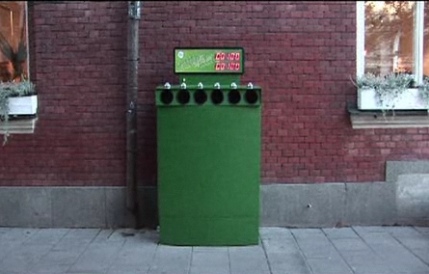
The aim: Encourage people to recycle more bottles.
How: Turn recycling into a game. Simply drop the bottle into the correct hole and score some points.
The point: The point is that people didn’t suddenly become more environmentally conscious overnight. Recycling itself hadn’t changed. The experience had.
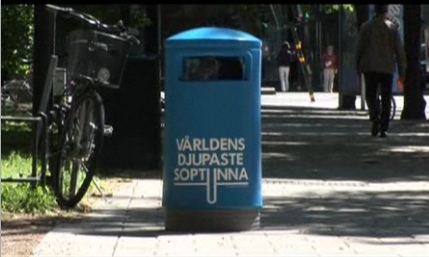
The aim: Encourage people to use the bin instead of leaving rubbish on the ground.
How: Install a bin that sounds as though your rubbish is falling into a very deep hole every time you throw something away.
The point: People already knew the bin was there. They didn’t need another sign telling them not to litter. Making the experience more enjoyable was enough to change what they did.

The aim: Encourage people to use the stairs instead of the escalator.
How: Turn an ordinary staircase into a giant piano keyboard.
The point: People already knew the stairs were the healthier option. They didn’t need convincing. They just needed a reason to choose them.